Project Partners:
National and International NGOs, Philanthropists, communities
Description:
Concept Note
Establishment of a PNC Community Schools in Sindh, Balochistan and Khyber Pakhtunkhwa
1. Background & Rationale
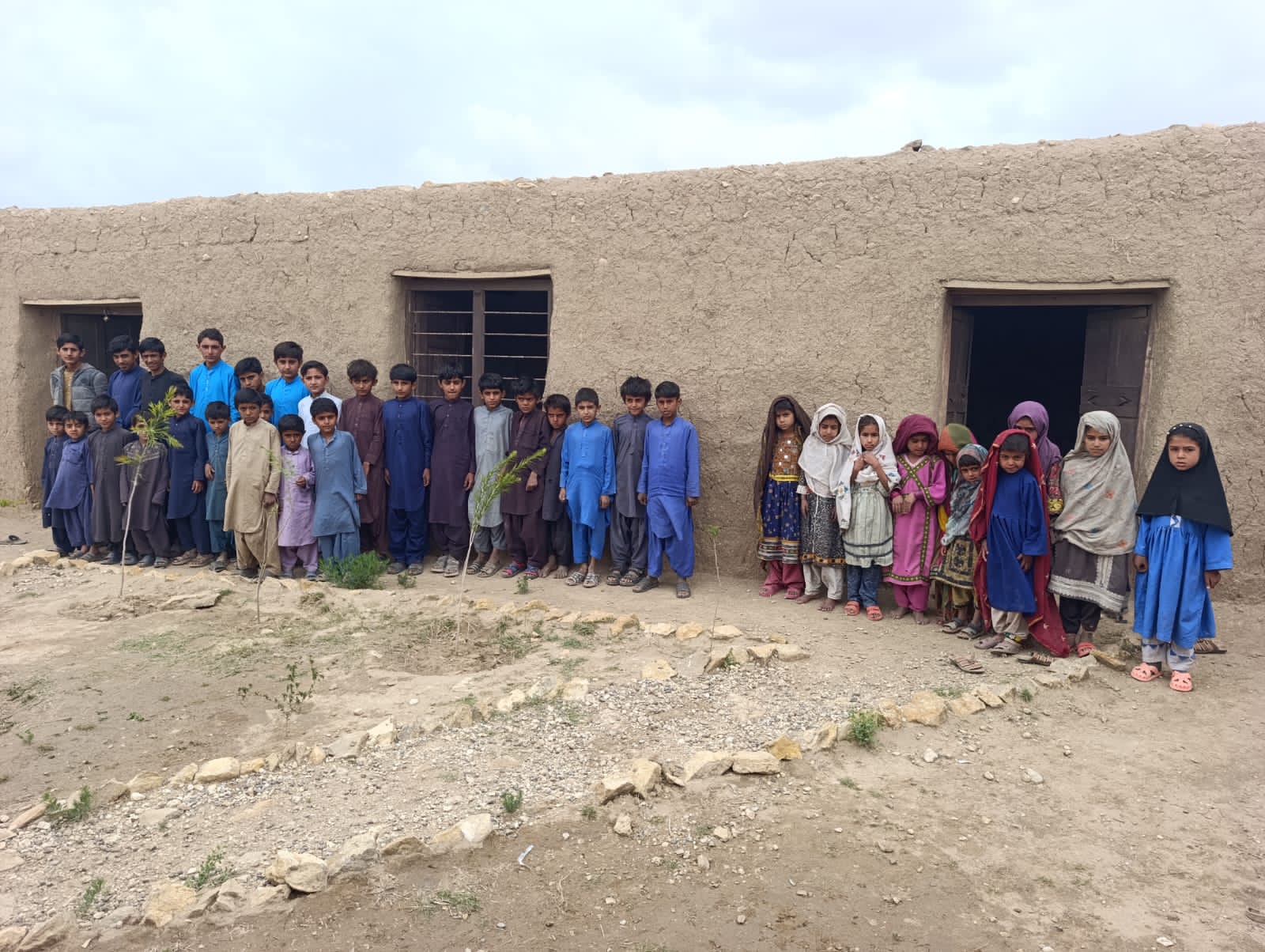
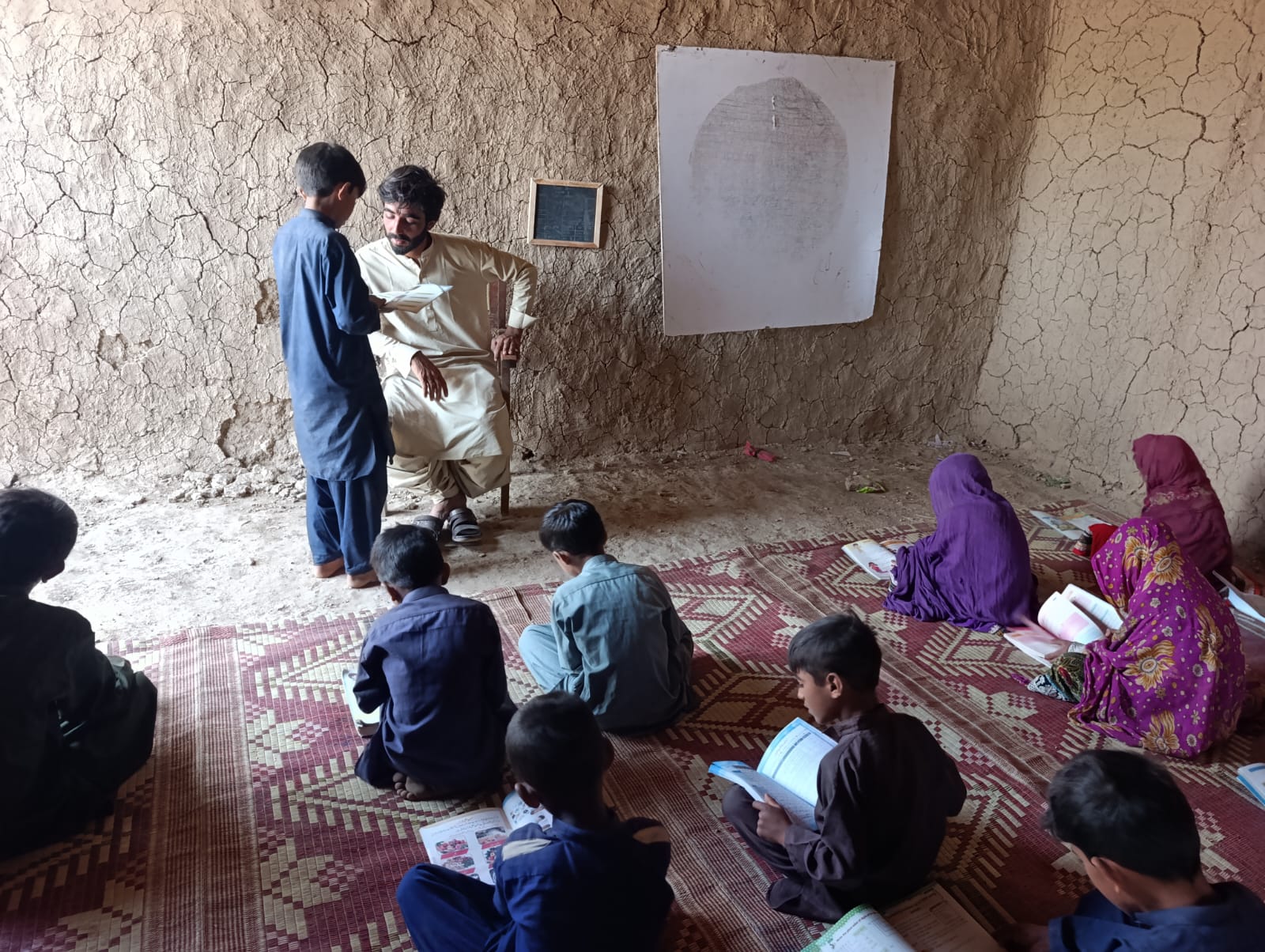
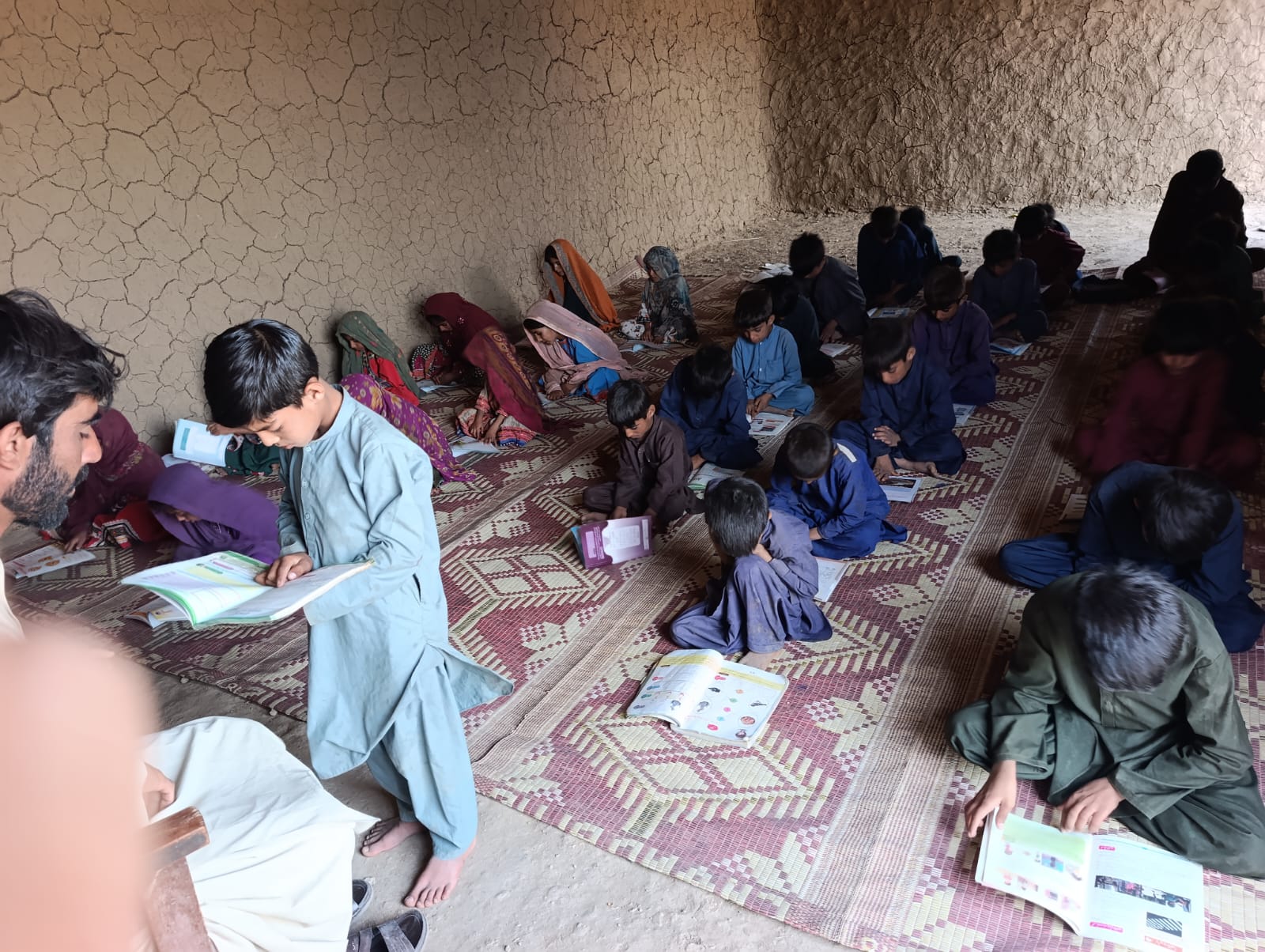
Pakistan continues to face a significant education crisis, with an estimated 26 million out-of-school children (OOSC)—one of the highest figures globally. The burden is particularly severe in provinces such as Sindh, Balochistan, and Khyber Pakhtunkhwa, where poverty, geographic remoteness, socio-cultural barriers, and limited availability of functional schools restrict children’s access to education.
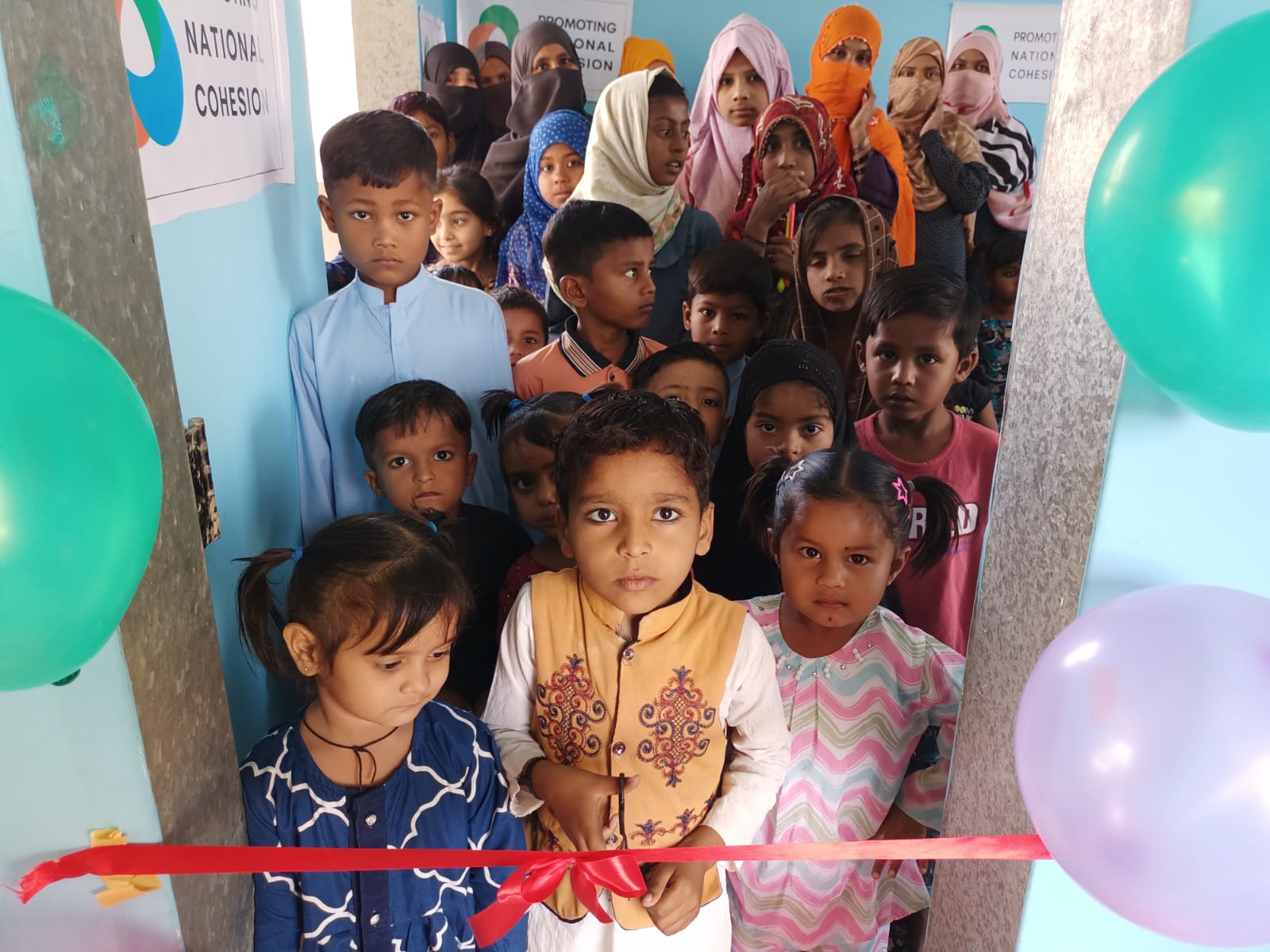
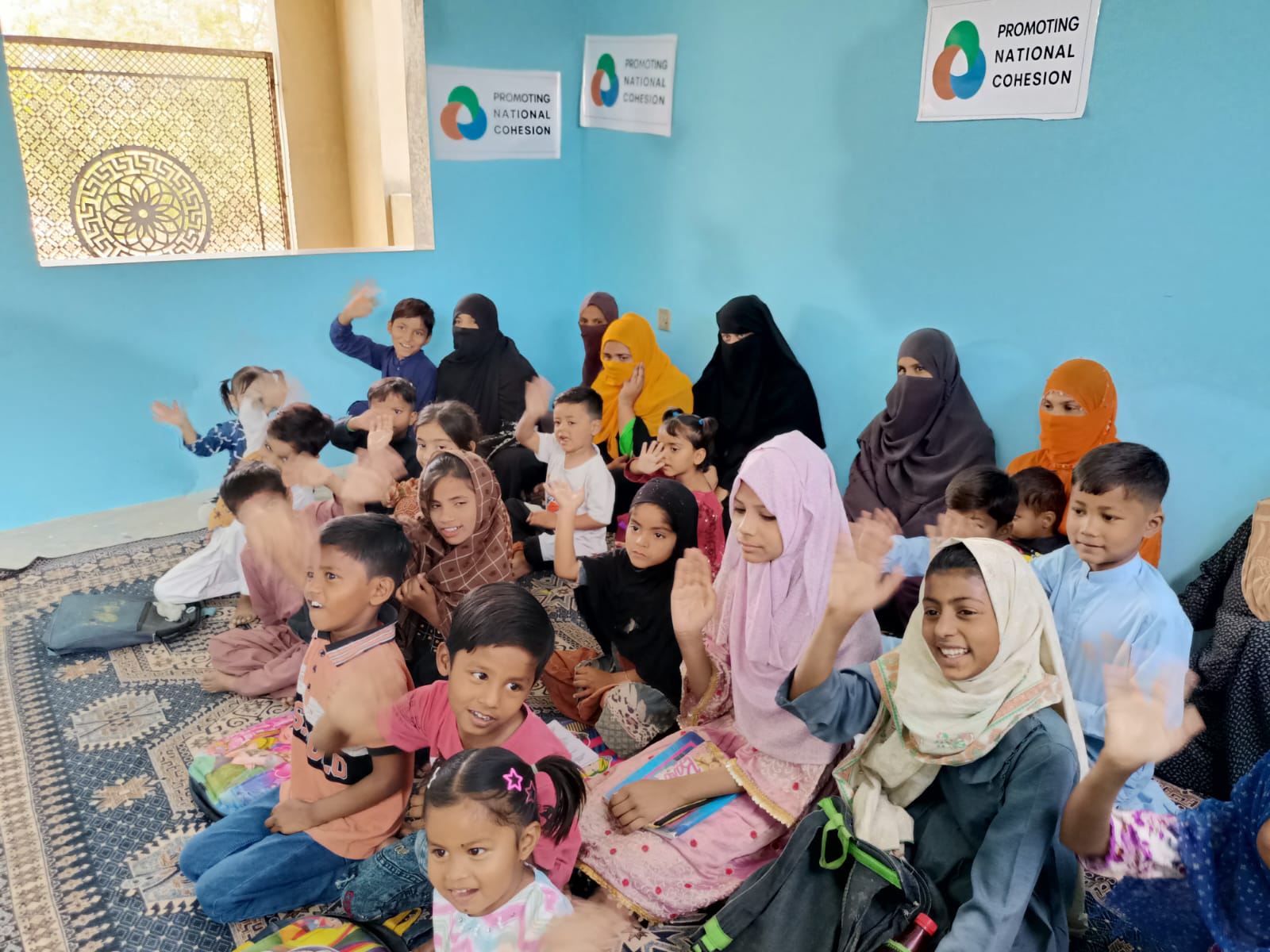
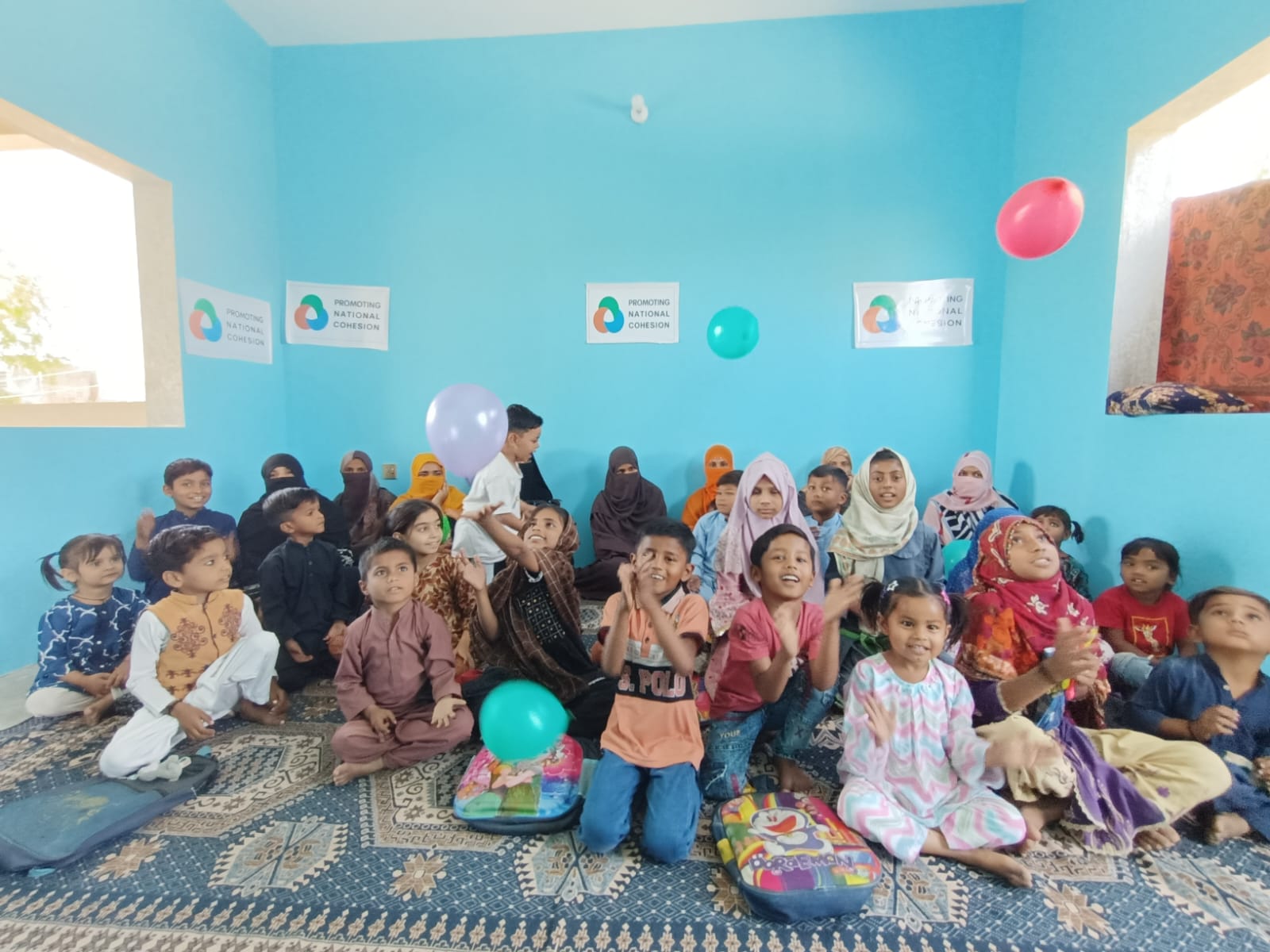
Recognizing these challenges, the Promoting National Cohesion (PNC) initiative aims to establish free of cost primary schools across Sindh, Balochistan, and Khyber Pakhtunkhwa under the title “PNC Community Schools” to expand access to quality education for marginalized communities. Early grade education is critical for building foundational literacy and numeracy skills, which are essential for long-term academic success and social development.
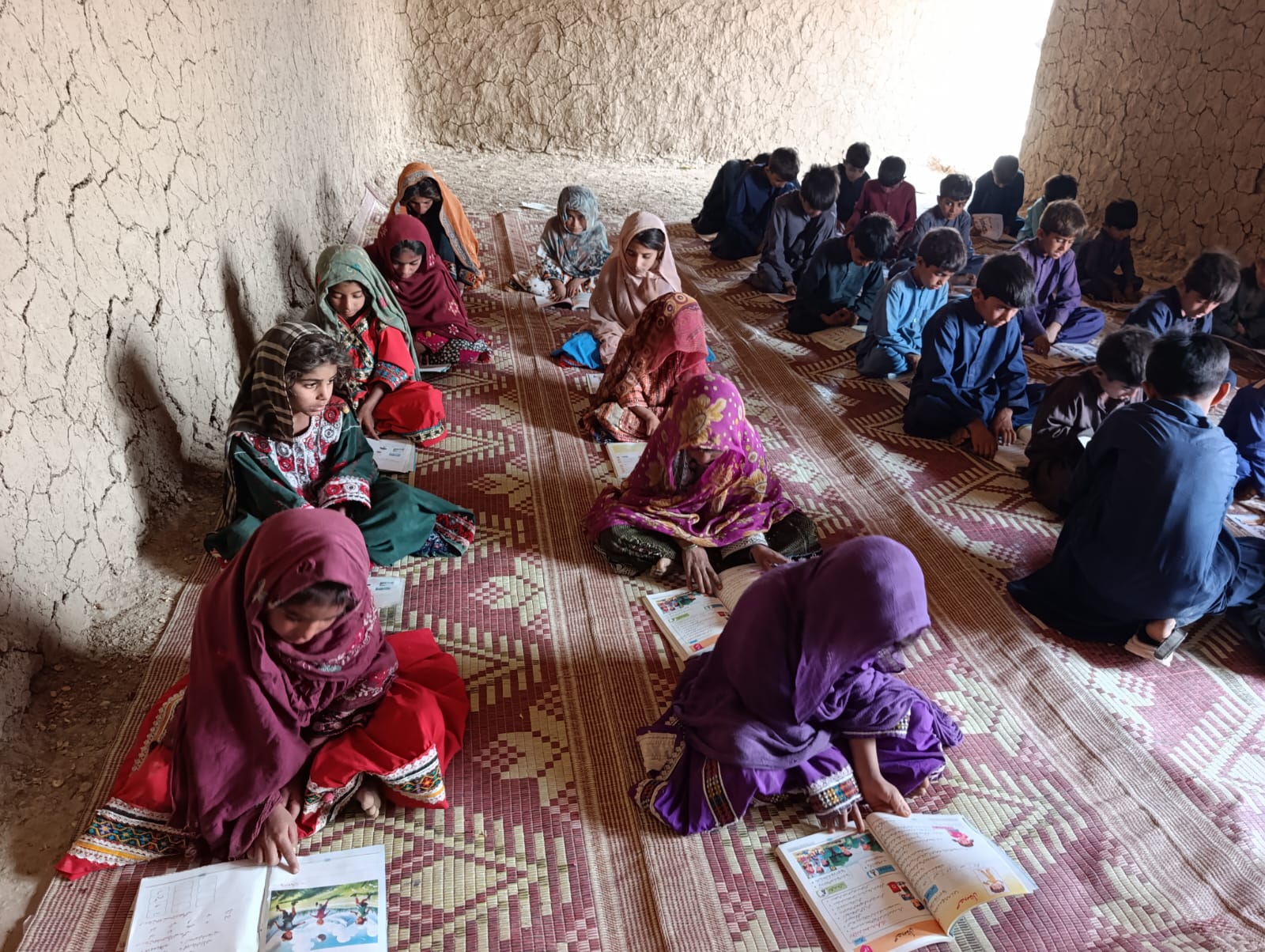
The establishment of PNC Community Schools will contribute to increased enrollment, reduced dropout rates, and improved learning outcomes for children aged 5–10 years. Importantly, these schools will provide children with safe and structured learning environments, protecting them from exposure to unethical practices and activities that may lead to crime or social harm.
This initiative directly contributes to Sustainable Development Goal 4 (Quality Education), which aims to ensure inclusive and equitable quality education and promote lifelong learning opportunities for all. By focusing on marginalized communities, the project supports SDG Target 4.1, which emphasizes free, equitable, and quality primary education for every child.
2. Objective
The objective of this initiative is to establish and operate functional primary schools across Sindh, Balochistan, and Khyber Pakhtunkhwa that deliver safe, inclusive, and quality education to children from marginalized and underserved communities through a cost-effective and sustainable model.
The initiative further aims to provide protective learning spaces that foster children’s cognitive, emotional, and social development, while reducing their vulnerability to harmful behaviors and environmental risks. In doing so, it contributes to the achievement of Sustainable Development Goal 4 (Quality Education) by promoting equitable access to quality primary education across disadvantaged regions.
The objective of this initiative is to establish and operate a functional primary school in District Jamshoro that provides safe, inclusive, and quality education to children from marginalized communities, using a cost effective and sustainable model.
3. Target Beneficiaries
• Primary beneficiaries: 25–30 children (boys and girls) at primary level in each school
• Secondary beneficiaries: Parents and the wider community through improved literacy and awareness
4. School Structure
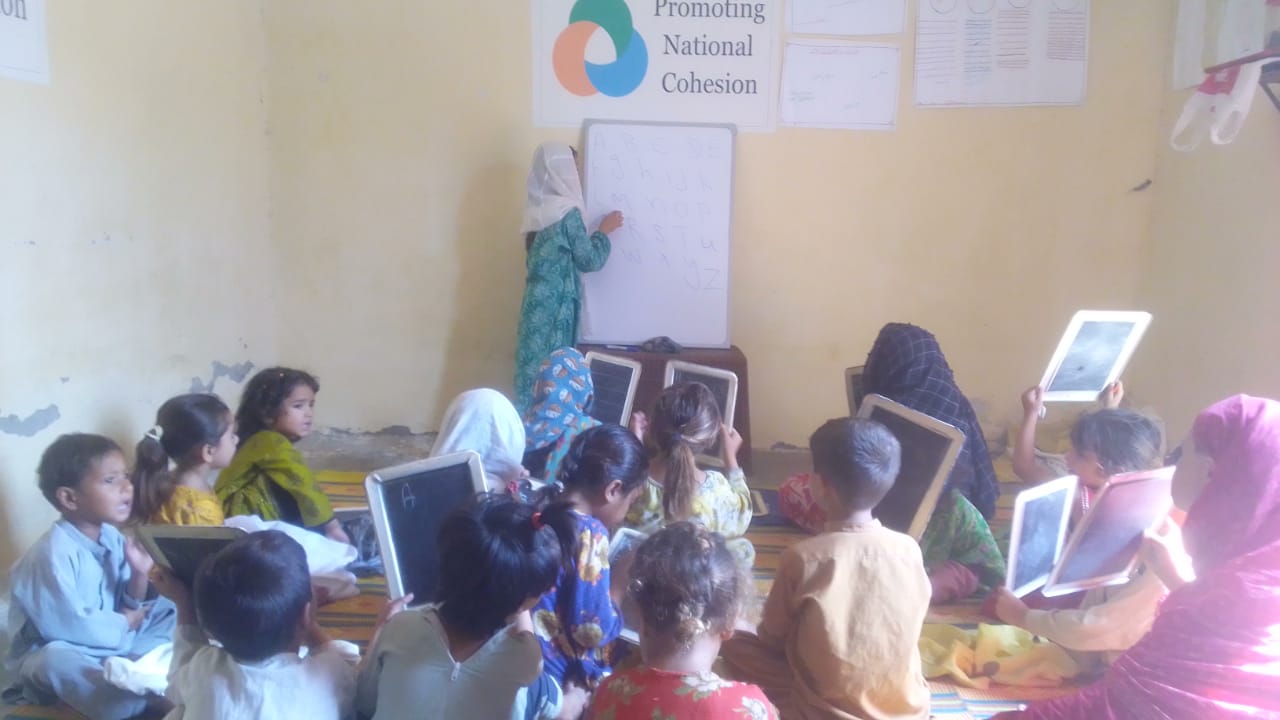
• Two qualified primary teachers
• Basic classroom furniture and learning environment
• Simple governance and record-keeping system
• Community engagement for sustainability
5. Annual Recurring Budget
Annual Budget for One PNC School / 25 students
S.No. Description Unit cost Units frequency total
1 Rental cost 10000 1 12 120000
2 Teacher Salary 9000 1 12 108000
3 Monthly stationary 1000 1 12 12000
4 Bag for students 700 25 1 17500
5 Books for students 800 25 1 20000
6 Basic furniture 4500 1 1 4500
7 White board 1500 1 1 1500
8 Electricity, water 3000 1 12 36000
9 Floor-mat 1600 1 1 1600
Total Annual Cost PKR. 321,100
Per Child Cost PKR. 12,844
6. Sustainability Strategy
• Community participation in school oversight
• Low operational costs with local hiring
• Gradual linkage with government education departments or donors